How to Source High-Quality Wholesale Two Piece Sets for Your Boutique?
Running a boutique is more than just having great taste—it's about finding reliable suppliers, maintaining consistent quality, and building relationships that last. When it comes to wholesale two piece sets, the stakes are high. Your customers expect quality, variety, and value—and if you can't deliver, they'll shop elsewhere.
This guide cuts through the noise and gives you actionable strategies for sourcing two piece sets that will keep your boutique stocked and your customers coming back.
Finding Reliable Suppliers: Beyond Basic Google Searches
Not all suppliers are created equal. The difference between a profitable season and a disappointing one often comes down to who you're buying from.
Vetting Potential Suppliers
Key Criteria to Evaluate
Product Quality: Request samples before placing bulk orders
Minimum Order Quantities: Ensure MOQs align with your inventory needs
Lead Times: Understand production and shipping timelines
Communication: Assess responsiveness and professionalism
Payment Terms: Negotiate favorable payment conditions
Return Policy: Clarify return and exchange procedures
Red Flags to Watch For
Unrealistically low prices that seem too good to be true
Poor communication or delayed responses
Inconsistent product quality across samples
Lack of transparency about production processes
No clear return policy or quality guarantees
Building Long-Term Relationships
Why Relationships Matter
Priority access to new collections
Better pricing and terms over time
Faster resolution of issues
Exclusive product offerings
More flexible ordering options
Strategies for Strong Relationships
Pay invoices on time consistently
Communicate your needs clearly and respectfully
Provide feedback on products to help suppliers improve
Place regular orders to become a valued customer
Attend trade shows to meet suppliers in person
Quality Control: Ensuring Your Products Meet Boutique Standards
Your boutique's reputation depends on the quality of the products you sell. Cutting corners on quality will cost you customers and damage your brand.
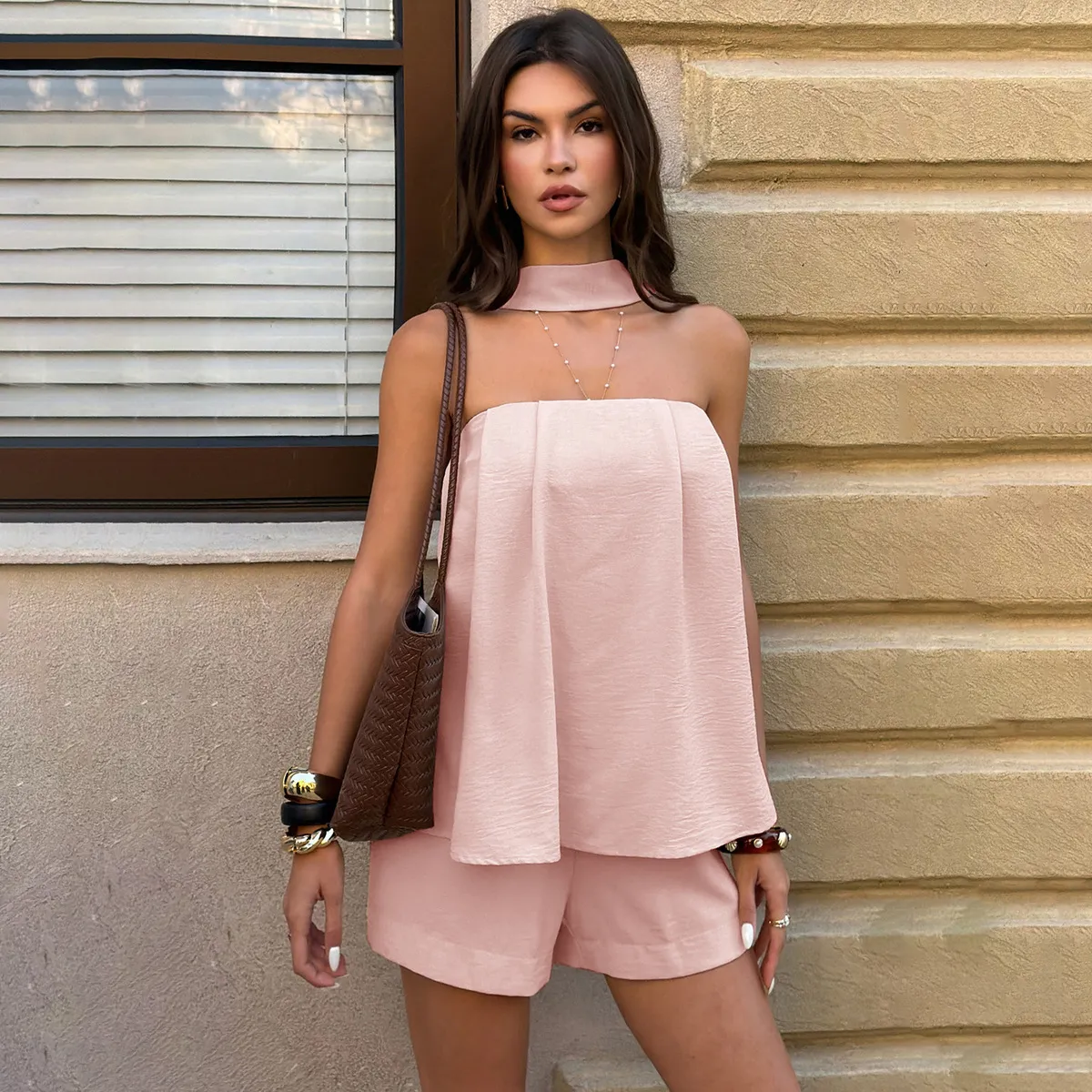
Establishing Quality Standards
Define Your Quality Criteria
Fabric Quality: Specify acceptable materials and blends
Construction: Set standards for stitching, seams, and finishing
Fit Consistency: Ensure sizes are consistent across products
Color Fastness: Test for dye bleeding and fading
Durability: Assess how well products hold up to wear and washing
Creating a Quality Checklist
Inspect fabric texture and weight
Check stitching for consistency and strength
Verify sizing against size charts
Test buttons, zippers, and closures
Examine overall craftsmanship and finishing
Implementing a Sampling Process
Sample Evaluation Protocol
Order representative samples from each supplier
Test products under real-world conditions
Wash and wear test to assess durability
Compare samples against your quality standards
Document findings and share feedback with suppliers
When to Walk Away
Samples don't meet your quality standards
Supplier refuses to improve or address issues
Consistency problems persist across multiple samples
Communication breaks down during the sampling process
Negotiating Prices: Getting the Best Deal Without Sacrificing Quality
Price negotiation is a delicate balance. You want the best possible price, but not at the expense of quality or supplier relationships.
Understanding Pricing Structures
Common Pricing Models
FOB Pricing: Price includes production but not shipping
CIF Pricing: Price includes production and shipping costs
Volume Discounts: Lower prices for larger orders
Seasonal Pricing: Adjustments based on demand and availability
Factors Affecting Pricing
Raw material costs
Production complexity
Order quantity
Lead time requirements
Customization requests
Effective Negotiation Strategies
Preparation is Key
Research market prices for similar products
Understand your supplier's cost structure
Know your budget and price limits
Identify your leverage points
Negotiation Tactics
Start with a Reasonable Offer: Don't lowball unnecessarily
Bundle Orders: Combine multiple products for better pricing
Offer Prompt Payment: Negotiate discounts for early payment
Build Long-Term Commitment: Trade volume for better terms
Be Willing to Walk Away: Don't settle for unfair terms
Inventory Management: Stocking the Right Products for Your Boutique
Great products mean nothing if you can't manage your inventory effectively. Poor inventory management leads to lost sales, excess stock, and cash flow problems.
Analyzing Sales Data
Key Metrics to Track
Best Sellers: Identify your top-performing products
Slow Movers: Flag items that aren't selling
Seasonal Patterns: Understand when demand peaks and drops
Customer Preferences: Track what your customers are buying
Using Data to Make Decisions
Reorder top sellers before they run out
Discount or clear slow-moving inventory
Adjust inventory levels based on seasonal demand
Identify trends to inform future purchasing
Optimizing Inventory Levels
The 80/20 Rule in Action
80% of your revenue comes from 20% of your products
Focus on stocking more of your top performers
Limit inventory of low-performing items
Use data to identify which products belong in your 20%
Safety Stock Management
Maintain buffer stock for fast-selling items
Adjust safety stock based on lead times
Monitor inventory levels regularly
Use inventory management software for real-time tracking
Expanding Your Product Range: Diversifying Your Two Piece Set Offerings
To stay competitive, you need to continuously refresh your inventory and offer products that appeal to different customer segments.
Exploring Niche Markets
Targeting Underserved Segments
Plus Size Fashion: Demand is growing for inclusive sizing options
Activewear Sets: Comfort meets style for busy lifestyles
Eco-Friendly Materials: Sustainable fashion is gaining traction
Workwear Sets: Professional yet stylish office attire
Sourcing Specialized Products
Wholesale denim set: Timeless pieces with broad appeal
Wholesale pants sets: Versatile options for work and weekend
Wholesale skirts sets: Feminine styles for special occasions
Wholesale shorts sets: Summer essentials for warm weather
Embracing Customization Options
Benefits of Custom Two Piece Sets
Differentiate your boutique from competitors
Offer unique products that can't be found elsewhere
Build brand loyalty through personalized offerings
Command premium pricing for custom items
Customization Options to Consider
Custom two piece sets: Made-to-order designs
Private Labeling: Add your brand name and logo
Color Customization: Offer exclusive color options
Fabric Selection: Choose from premium materials
Mastering the Art of Wholesale Sourcing
Sourcing high-quality wholesale two piece sets is a skill that separates successful boutiques from struggling ones. By finding reliable suppliers, maintaining strict quality control, negotiating effectively, and managing inventory wisely, you can build a profitable and sustainable business.
Remember, the key isn't just about finding products—it's about building relationships, understanding your customers, and staying ahead of market trends. Bulk matching sets and custom womens sets offer endless opportunities for boutiques willing to invest the time and effort to get it right.
Your next great supplier relationship is just a few strategic steps away. Start implementing these strategies today and watch your boutique thrive.


评论
发表评论