What You Need to Know about Wholesale Swimwear?
- 获取链接
- X
- 电子邮件
- 其他应用
The swimwear business is not gentle, slow, or forgiving. It is one of the most aggressive, time-sensitive, and trend-driven segments of the apparel industry. Anyone who treats Wholesale Swimwear like basic clothing will pay the price—through missed seasons, dead inventory, and shrinking margins. Swimwear rewards those who understand its rhythm and punishes those who hesitate.
This market moves fast because consumers move fast. Weather changes, social media trends explode overnight, influencers create demand instantly, and buyers expect immediate availability. If your supply chain is slow, your product becomes irrelevant before it even reaches the shelf. This is why swimwear wholesale is not for passive operators—it favors sharp decision-makers with strong forecasting ability and operational discipline.
Below is a no-nonsense breakdown of what truly defines wholesale and custom swimwear, why it behaves differently from other apparel categories, and how smart buyers and brands position themselves to win.
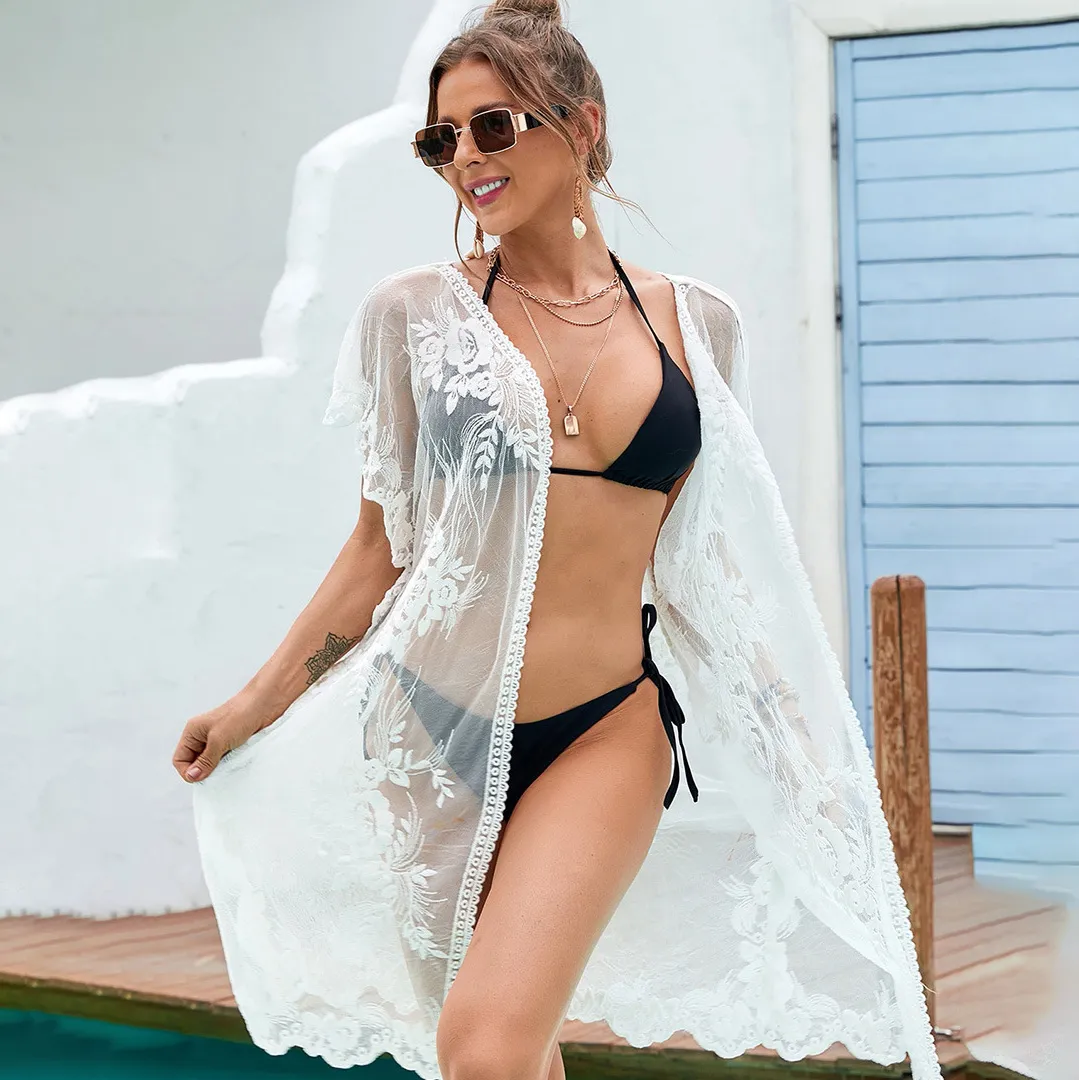
The Brutal Reality of Seasonality and Timing
Swimwear lives and dies by the calendar. Unlike jackets or denim that can sell year-round with moderate fluctuations, swimwear sales are intensely concentrated. The main selling window sits between late spring and the peak of summer—roughly March through August. Miss that window, and even the best designs become liabilities.
Wholesale buyers don’t purchase during the season; they prepare for it. Orders are typically placed one to three months in advance, sometimes even earlier for custom collections. This means decisions must be made before demand is fully visible. Forecasting errors are expensive. Overbuy, and you drown in off-season stock. Underbuy, and you miss the most profitable weeks of the year.
This is why Swimsuit Vendors with fast response systems dominate the market. They can replenish bestsellers quickly, adjust production volumes, and react to sales data in real time. The market increasingly favors short production cycles, rapid sampling, and flexible logistics over massive one-time orders.
For wholesale buyers, this also means liquidity matters. Swimwear turnover must be fast. Capital tied up in unsold inventory after August is capital that cannot be redeployed into the next trend cycle. Successful operators plan exit strategies before they place orders—discount timelines, flash sales, bundle strategies—because seasonality does not negotiate.
Seasonality also reshapes category focus. Early season demand leans toward conservative cuts and classic colors. Mid-season shifts toward bold prints, daring silhouettes, and trend-driven styles. Late season buyers hunt for discounts. Understanding this flow allows buyers to stagger purchasing and reduce risk instead of betting everything on a single drop.
Fast Fashion DNA: Speed Beats Perfection
Swimwear is fast fashion at its core, whether brands admit it or not. Every year brings new fabrics, new prints, new cuts, and new color stories. What sold last summer may look outdated the next. This constant reinvention forces wholesale buyers to prioritize speed and adaptability over long-term style consistency.
Small-batch, multi-style ordering is now the dominant wholesale model. Instead of betting heavily on a few designs, buyers spread risk across many SKUs with lower quantities. The goal is simple: identify winners quickly, then reorder aggressively. This “hit-and-repeat” strategy defines modern Wholesale Bikinis operations.
The market has little patience for slow suppliers. Wholesale Bikinis Suppliers that cannot develop samples quickly, update prints, or adjust cuts lose relevance fast. Buyers want suppliers who already understand trend signals—high-cut bottoms, asymmetrical tops, ribbed textures, metallic finishes—before they have to ask.
Speed also reshapes design philosophy. Swimwear buyers are not always looking for originality; they are often looking for execution. A proven silhouette in a new colorway can outperform an experimental design. This is why “best-seller adaptation” remains a powerful tactic in wholesale swimwear. Trends are not reinvented—they are refined, copied, and optimized.
For men’s lines, the same logic applies. Wholesale Men Swimwear evolves through fabric upgrades, fit adjustments, and subtle pattern changes rather than radical redesigns. Meanwhile, Wholesale Men Swimsuits buyers focus on comfort, durability, and color versatility, knowing male consumers repurchase based on reliability more than novelty.
Children’s swimwear operates on an even tighter cycle. Wholesale Kids Swimwear and Wholesale Girl Swimsuits must balance trend appeal with parental expectations around coverage, durability, and safety. Designs rotate quickly, but quality failures are unforgivable.
Flexible MOQs and Why They Matter More Than Price
One of swimwear’s biggest advantages over other apparel categories is its relatively flexible minimum order quantities. Compared to outerwear or denim, swimwear production requires less material and simpler grading. This lowers the entry barrier for new brands and small retailers.
Lower MOQs make Wholesale Swimwear especially attractive for e-commerce sellers, social-media-driven brands, and startups testing their first collections. Size ranges are typically concentrated—often XS to XL—reducing complexity and inventory fragmentation.
However, flexibility does not mean carelessness. Smart buyers use low MOQs strategically. They test designs, measure sell-through, and only scale proven products. This approach preserves cash flow and reduces markdown pressure.
Pricing alone is not the deciding factor. A cheaper swimsuit that stretches out, fades, or fails quality checks will cost more in refunds, brand damage, and customer churn. Buyers increasingly evaluate suppliers on consistency rather than headline pricing.
For men’s and kids’ categories, MOQ flexibility allows retailers to diversify offerings without overcommitting. A retailer can carry both Wholesale Men Swimwear and Wholesale Kids Swimwear lines without locking excessive capital into each segment, maintaining agility across demographics.
Quality Is Non-Negotiable, Even When the Product Is “Light”
Swimwear may be lightweight, but quality expectations are heavy. Customers stretch it, soak it, expose it to chlorine, saltwater, sun, and sweat. Failures show immediately—and publicly—through reviews and social media.
Fabric performance is the first battlefield. Elasticity and recovery must be consistent. A swimsuit that loses shape after a few wears destroys trust. Transparency issues—fabric becoming see-through when wet—are unacceptable. Resistance to chlorine, salt, and UV exposure is no longer optional; it is expected.
Construction quality matters just as much. Stitching must be reinforced at stress points. Seam finishes must be smooth and secure. Edges should be clean, not curling or fraying. These details separate professional Swimsuit Vendors from factories that chase volume at the expense of longevity.
Sampling is therefore not a formality—it is a requirement. Serious buyers test samples aggressively. They stretch them, wash them, swim in them, and evaluate colorfastness. Skipping this step is not efficiency; it is negligence.
The same standards apply across all segments. Wholesale Bikinis, Wholesale Men Swimsuits, and Wholesale Girl Swimsuits all demand durability, because dissatisfied customers rarely give second chances in this category.
Customization as a Weapon, Not a Decoration
In the custom swimwear world, differentiation is everything. Brands do not pursue Custom Swimsuits to chase volume; they pursue them to escape price wars. Customization allows brands to build identity, control margins, and create defensible market positions.
Most custom projects focus on design uniqueness rather than sheer quantity. Exclusive prints, signature colors, distinctive cuts—high-waisted bottoms, deep V-necks, wrap ties—define brand DNA. Custom Made Swimsuits are not about being different for the sake of it; they are about being recognizable.
Fabric and process choices multiply differentiation options. Recycled nylon and polyester appeal to sustainability-driven consumers. Adjusting spandex ratios affects compression and comfort. Double-layer constructions improve support and opacity. Printing techniques—from digital to heat transfer to silicone—shape both cost and perception.
MOQ requirements scale with customization depth. Light customization, such as color changes or private labeling, keeps MOQs low and is ideal for market testing. Deep customization—new patterns, unique fabrics, proprietary prints—raises MOQs but builds stronger brand barriers.
This trade-off is strategic. Brands must decide whether they are testing demand or building long-term equity. Custom Bikini programs often start small, then expand once bestsellers emerge.
The Hidden Cost of Development and Why Experience Matters
Custom swimwear development is expensive—not just in money, but in time and communication. Multiple sampling rounds are normal. Fit adjustments, elasticity testing, wear trials, shrinkage checks, and colorfastness validation all add layers of complexity.
Each revision consumes time and resources. Inexperienced suppliers amplify these costs through miscommunication and technical errors. Experienced partners reduce friction by anticipating issues before they arise.
Professional Swimsuit Vendors streamline development through standardized processes, clear technical documentation, and responsive feedback loops. They understand how small pattern changes affect stretch behavior, how fabric choices influence fit, and how to balance aesthetics with performance.
For brands entering Custom Swimsuits for the first time, supplier expertise often determines success more than design talent. A great idea executed poorly fails faster than a simple idea executed flawlessly.
Final Perspective: Swimwear Rewards the Prepared
The wholesale swimwear market is not forgiving, but it is fair. It rewards those who respect seasonality, move quickly, test rigorously, and partner wisely. Whether dealing in Wholesale Bikinis, expanding into Wholesale Men Swimwear, or building a line of Custom Made Swimsuits, the rules remain the same: speed, quality, and clarity of strategy win.
This is not a category for hesitation. It is a category for execution. Those who understand its pace do not just survive—they dominate.
- 获取链接
- X
- 电子邮件
- 其他应用


评论
发表评论