How Boutique Owners Can Leverage Custom Plus Size Clothing to Capture Underserved Markets?
The fashion industry has a dirty secret: it's been ignoring a massive segment of consumers. Plus size women represent a significant portion of the population, yet they've been underserved by mainstream fashion brands for decades. This isn't just an ethical issue—it's a missed business opportunity. For boutique owners willing to take action, custom made plus size clothing represents a goldmine waiting to be tapped.
The data doesn't lie: plus size consumers have money to spend and are hungry for stylish, well-fitting clothing. Brands that ignore this market do so at their peril. If you're ready to build your brands while serving a neglected customer base, this is your moment.
Understanding the Plus Size Market Opportunity
Before diving into strategies, you need to understand the scale of the opportunity. The plus size market isn't a niche—it's a mainstream segment with enormous growth potential.
Market Size and Growth Potential
The plus size fashion market is worth billions globally and continues to grow at a faster rate than the overall fashion industry. Studies show that plus size consumers spend more per transaction and exhibit higher brand loyalty when they find brands that understand their needs.
The key demographic includes women size 14 and above, but this definition is expanding as brands recognize the diversity of body shapes and sizes. This isn't just about "large" sizes—it's about inclusive sizing that celebrates all body types.
Consumer Pain Points
Plus size consumers face unique challenges that create opportunities for boutique owners:
Limited selection: Mainstream retailers often carry limited styles in larger sizes
Poor fit: Many plus size garments are simply scaled-up versions of smaller sizes, ignoring the unique proportions of plus size bodies
Unflattering designs: Styles that work for smaller frames don't always translate well to larger sizes
Lack of representation: Plus size women are rarely featured in marketing campaigns, making them feel invisible
The Psychology of Plus Size Shopping
Understanding the emotional landscape of plus size shopping is key to success:
Body positivity movement: More women are embracing their bodies and demanding fashion that celebrates them
Self-expression: Plus size women want clothing that reflects their personal style, not just "hides" their bodies
Confidence boost: Well-fitting, stylish clothing can dramatically improve self-esteem
Product Strategy for Custom Plus Size Clothing
To succeed in this market, you need more than just larger sizes—you need a thoughtful product strategy that addresses the unique needs of plus size consumers.
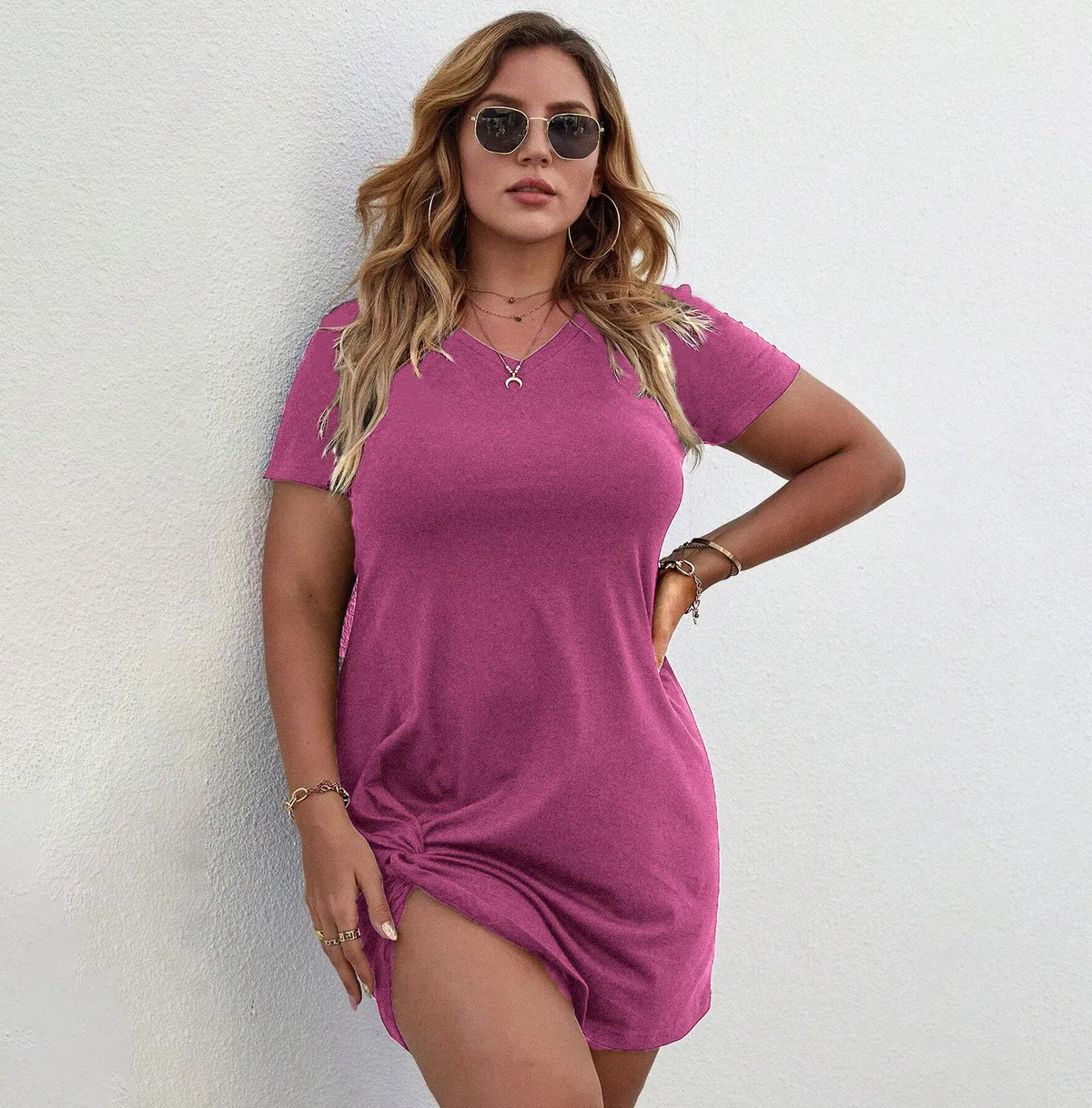
Sizing and Fit Considerations
Fit is the most important factor for plus size shoppers. Generic sizing doesn't work—you need to understand the nuances of plus size proportions:
Proportional scaling: Garments should be designed for plus size bodies, not just stretched versions of smaller sizes
Multiple fit options: Consider offering different cuts (straight, curvy, petite plus, tall plus)
Stretch fabrics: Use materials with good stretch and recovery for comfort and fit
Adjustable features: Elastic waistbands, drawstrings, and adjustable closures improve fit
Product Selection for Maximum Appeal
Curate your plus size collection with these categories in mind:
Everyday essentials: Comfortable, versatile pieces for work and casual wear
Dressy occasion wear: Formal and semi-formal options for events and special occasions
Activewear: Stylish, functional sportswear for the gym and everyday activities
Lingerie and sleepwear: Comfortable and attractive undergarments and pajamas
Custom made dresses are particularly important for plus size women. Dresses offer versatility and can be dressed up or down, making them a staple in any wardrobe. Focus on styles that accentuate curves in all the right places—A-line cuts, wrap dresses, and fit-and-flare silhouettes are universally flattering.
Quality Over Quantity
Plus size consumers are willing to pay more for quality. Invest in:
Premium fabrics: Soft, durable materials that maintain their shape
Excellent construction: Reinforced seams, sturdy zippers, and quality finishing
Timeless designs: Classic pieces that won't go out of style quickly
Sourcing and Supply Chain Strategies
Finding reliable suppliers for custom plus size clothing requires strategic planning and due diligence.
Finding the Right Suppliers
Look for suppliers with:
Experience in plus size manufacturing: Not all factories understand the unique requirements of plus size garments
Flexibility for custom orders: Ability to produce small batches with custom designs
Quality control processes: Rigorous standards for fit, fabric, and construction
Sustainable practices: Many plus size consumers prioritize sustainability
Building Strong Supplier Relationships
Treat your suppliers as partners, not just vendors:
Communicate clearly: Provide detailed specifications and fit requirements
Request samples: Always test samples before placing large orders
Negotiate fair terms: Build long-term relationships for better pricing and service
Visit factories: If possible, tour manufacturing facilities to assess quality firsthand
Managing Inventory
Balance customization with inventory efficiency:
Core stock items: Keep popular styles in stock for immediate delivery
Made-to-order options: Offer custom sizes and designs as made-to-order
Demand forecasting: Track sales data to predict which styles will sell best
Marketing Strategies for Plus Size Success
Even the best products won't sell if no one knows about them. Develop a marketing strategy that resonates with plus size consumers.
Building an Inclusive Brand Identity
Your brand should reflect the values of your target audience:
Authentic representation: Use plus size models who actually wear your sizes
Body positive messaging: Celebrate all body types in your marketing
Community building: Create spaces for plus size women to connect and share
Multi-Channel Marketing Approach
Use these channels to reach your audience:
Social media: Instagram, TikTok, and Pinterest are visual platforms ideal for showcasing your clothing
Influencer partnerships: Collaborate with plus size influencers who have authentic followings
Email marketing: Build an email list and send personalized recommendations
Local events: Host trunk shows and pop-up shops in plus size friendly communities
Creating a Seamless Customer Experience
The shopping experience matters just as much as the products:
Knowledgeable staff: Train your team to help customers find the perfect fit
Comfortable fitting rooms: Spacious, well-lit fitting rooms with full-length mirrors
Hassle-free returns: Plus size shoppers often worry about returns—make it easy
Personal styling services: Offer one-on-one styling sessions for personalized recommendations
Expanding Your Plus Size Product Line
Once you've established your core plus size collection, expand into complementary categories:
Custom design swimwear: Stylish swimwear that flatters plus size figures with supportive designs
Custom lingerie boxes: Curated sets of comfortable, attractive undergarments
Custom apparel and sportswear: Functional athletic wear that combines performance with style
Custom pj set women: Cozy, stylish sleepwear for plus size women
Custom socks: Fun, fashionable socks that fit larger feet comfortably
Custom jean jacket: Classic denim jackets designed for plus size bodies
Cross-Selling and Upselling Opportunities
Maximize sales by offering complementary products:
Outfit bundles: Offer discounts when customers buy complete looks
Accessory pairings: Suggest jewelry, belts, and shoes that complement outfits
Loyalty programs: Reward repeat customers with exclusive discounts and early access to new collections
Overcoming Challenges in the Plus Size Market
Serving the plus size market isn't without challenges. Here's how to address common obstacles:
Overcoming Sizing Complexity
Invest in detailed size charts and fit guides. Consider offering virtual fitting tools or video consultations to help customers find their perfect size.
Addressing Supply Chain Limitations
If finding reliable suppliers is challenging, start small. Focus on a few core products and build your supply chain gradually. Consider partnering with local manufacturers initially.
Changing Consumer Perceptions
Some customers may still associate plus size clothing with frumpy or outdated styles. Use your marketing to challenge these perceptions and showcase the stylish, modern options available.
Capturing the Plus Size Market Opportunity
The plus size fashion market represents one of the biggest untapped opportunities in retail today. Boutique owners who embrace this market with thoughtful product strategies, inclusive marketing, and exceptional customer experiences will not only build successful businesses but also make a positive impact on the lives of millions of women.
The key to success lies in understanding that plus size consumers don't want "special treatment"—they want the same quality, style, and respect afforded to smaller sizes. By treating plus size fashion as a mainstream opportunity rather than a niche afterthought, you can build your brands while serving a loyal, underserved customer base.
The time to act is now. The plus size market is waiting—and the rewards are significant for those bold enough to seize this opportunity.


评论
发表评论