Wholesale Tank Tops Basics: Building a Sustainable Wardrobe Foundation
Tank tops are the unsung heroes of any wardrobe. They’re not flashy. They don’t trend. But they’re the foundation upon which great outfits are built. For wholesale buyers, tops wholesale basics like tank tops represent steady revenue, repeat customers, and a chance to build something meaningful—if you do it right.
This guide gives you the straight talk on building a profitable, sustainable tank top business. No fluff, no theory—just actionable strategies that work.
Understanding the Basics Market: Why Tank Tops Matter
Before diving into sourcing and sustainability, you need to understand why basics are critical to your wholesale business.
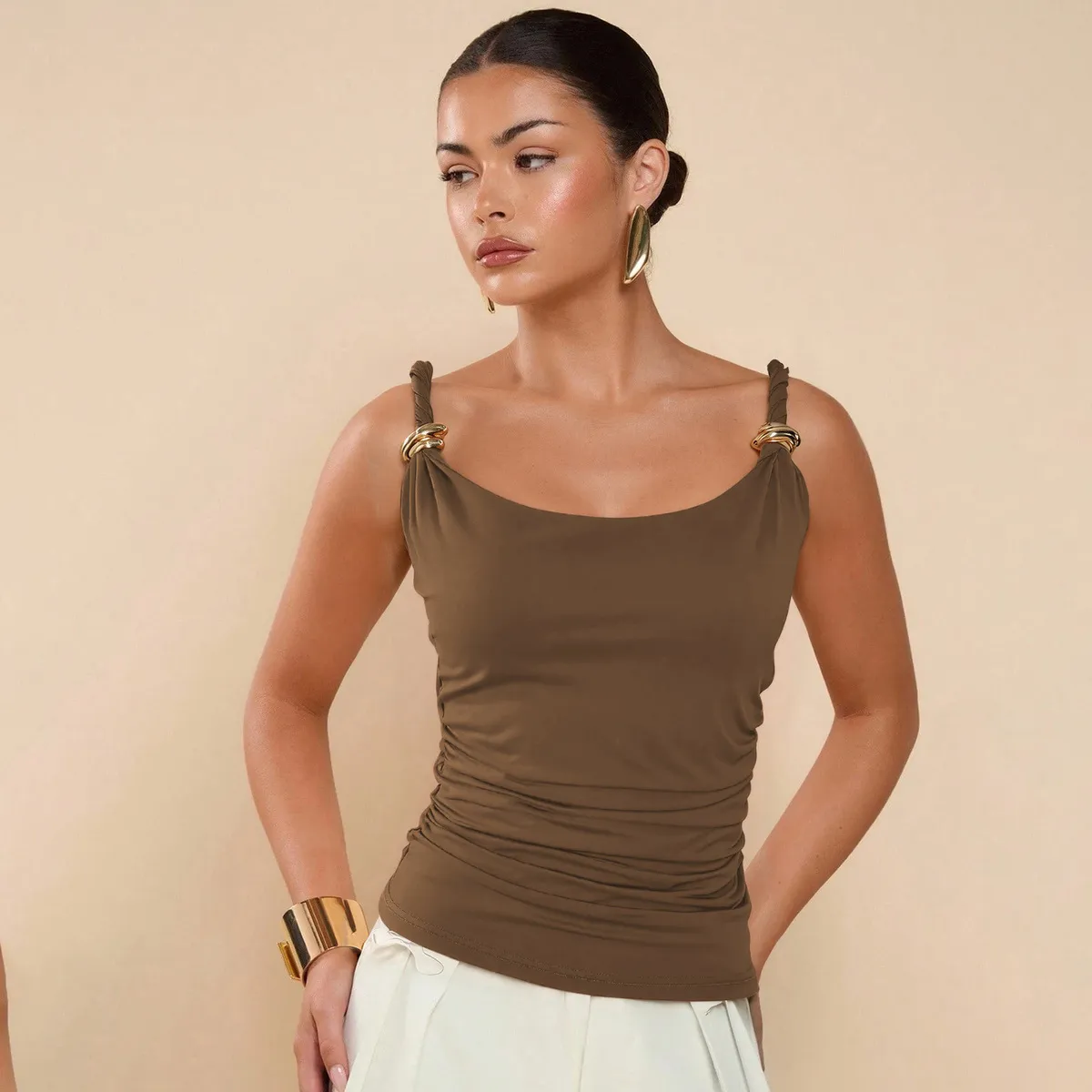
The Power of Basics in Fashion
Steady Demand
Tank tops sell year-round, regardless of trends
They’re essential layering pieces for every season
Customers buy multiple colors and styles
Profit Potential
Low production costs mean healthy margins
High turnover rates keep cash flow steady
Repeat purchases drive customer loyalty
Sustainability Connection
Basics are worn more frequently, reducing waste
Quality basics last longer, reducing replacement cycles
Sustainable basics appeal to eco-conscious consumers
Target Customer Segments
Loyal Basics Buyers
Women who prioritize comfort and versatility
They value quality over trends
They’ll become your best repeat customers
Sustainability Enthusiasts
Millennials and Gen Z who seek eco-friendly options
They’re willing to pay more for sustainable products
They research brands before purchasing
Fashion Retailers
Boutiques looking for reliable basics suppliers
Online stores needing inventory that sells
Brands building capsule wardrobe collections
Sustainable Sourcing: Finding Eco-Friendly Tank Top Suppliers
Sustainability starts with your supply chain. If your suppliers aren’t on board, neither are you.
Evaluating Sustainable Suppliers
Key Criteria
Do they use organic or recycled materials?
What are their labor practices?
Can they provide transparency reports?
Do they have third-party certifications?
Red Flags
Unwillingness to share production details
Prices that seem too good to be true
Poor communication or delayed responses
Sustainable Fabric Options
Organic Cotton
Grown without pesticides or synthetic fertilizers
Uses 91% less water than conventional cotton
Certified by GOTS (Global Organic Textile Standard)
Recycled Materials
Made from post-consumer plastic bottles
Reduces landfill waste
Lower carbon footprint than virgin materials
Tencel/Lyocell
Made from sustainably sourced wood pulp
Closed-loop production process
Soft, breathable, and biodegradable
Hemp
Requires no pesticides
Grows quickly and enriches soil
Durable and naturally antimicrobial
Building a Sustainable Supply Chain
Start Small
Test sustainable suppliers with small orders
Evaluate quality, communication, and reliability
Gradually increase sustainable inventory
Diversify
Don’t rely on a single supplier
Have backup options for peak seasons
Balance price, quality, and sustainability
Build Relationships
Invest in long-term partnerships
Visit factories if possible
Collaborate on sustainability initiatives
Inventory Management: Optimizing Your Tank Top Stock
Poor inventory management kills more wholesale businesses than anything else. Get this right, and you’ll thrive.
Demand Forecasting
Analyze Historical Data
Track which colors and styles sell best
Identify seasonal patterns
Note any trends in customer preferences
Use Data-Driven Tools
Implement inventory management software
Set reorder points for fast-moving items
Monitor stock levels in real-time
Plan for Seasons
Stock up on lightweight tanks for summer
Prepare layering options for fall/winter
Anticipate holiday demand spikes
Size and Color Strategy
Inclusive Sizing
Offer sizes from XS to 3XL+
Provide clear size charts
Consider different body shapes
Color Selection
Core colors: Black, white, gray, navy—always in demand
Seasonal colors: Rotate with fashion trends
Limit trend colors to test quantities
Avoid Overstock
Order conservatively on new styles
Mark down slow movers before they become dead stock
Don’t chase every trend—stick to basics
Pricing Strategies
Cost Analysis
Calculate your true costs (wholesale price + shipping + overhead)
Target minimum 50% gross margin
Factor in sustainability premiums
Competitive Positioning
Price sustainable basics slightly higher
Highlight the value of eco-friendly materials
Offer bundle deals to increase average order value
Promotional Tactics
"Buy 3, get 10% off" encourages multiple purchases
Seasonal sales to clear inventory
Loyalty rewards for repeat customers
Marketing Sustainable Basics: Selling More Than Just Tank Tops
Great products don’t sell themselves. You need to market the story behind your sustainable tank tops.
Brand Storytelling
Communicate Your Why
Share your sustainability journey
Highlight your suppliers’ ethical practices
Show the impact of sustainable fashion
Use Visual Content
Show your tank tops being made in ethical factories
Feature real customers wearing your products
Create content about sustainable living
Leverage Certifications
Display GOTS, Fair Trade, and OEKO-TEX certifications
Explain what these certifications mean
Build trust through transparency
Customer Engagement
Educate Your Audience
Create blog content about sustainable fashion
Offer tips for caring for clothing to extend lifespan
Host virtual events about sustainability
Build Community
Create a social media hashtag for sustainable styling
Feature customer photos wearing your tank tops
Partner with influencers who share your values
Provide Exceptional Service
Offer free shipping on sustainable orders
Provide easy returns and exchanges
Personalize recommendations based on past purchases
Cross-Selling Opportunities: Maximizing Average Order Value
Tank tops are perfect for cross-selling. Pair them with complementary items to increase revenue.
Complementary Products
Layering Pieces
Ladies shirts wholesale: Dressy options for over tank tops
Wholesale knitwear sets: Cozy layers for cooler weather
Wholesale leather jackets: Stylish outerwear that complements tanks
Wholesale leather coats: Winter essentials for layering
Matching Sets
Crop top in bulk: Trendy options for younger customers
Bodysuit clothing wholesale: Versatile pieces that pair with tanks
Wholesale tank tops for printing: Customizable basics for brands
Accessories
Belts to cinch waist over tank tops
Statement jewelry to dress up simple tanks
Scarves for layering in transitional weather
Bundle Offers
Create Outfit Sets
Tank top + cardigan + jeans bundles
"Summer Essentials" packages
"Capsule Wardrobe" collections
Volume Discounts
"Buy 5 tank tops, get 20% off"
"Wholesale bundle for boutiques"
Seasonal starter kits for new retailers
Case Studies: Successful Sustainable Basics Brands
Let’s look at brands that have mastered sustainable basics.
Case Study 1: Patagonia
Strategy: Sustainability as a core value Key Success Factors:
100% traceable supply chain
Commitment to using only organic cotton
Donates 1% of sales to environmental causes
Worn Wear program extends product lifespans
Case Study 2: Pact
Strategy: Affordable sustainable basics Key Success Factors:
Direct-to-consumer model cuts costs
GOTS-certified organic cotton
Transparent pricing and supply chain
Carbon-neutral shipping
Case Study 3: Girlfriend Collective
Strategy: Recycled materials leader Key Success Factors:
Made from recycled plastic bottles
Size-inclusive offerings
Transparent manufacturing process
Body-positive messaging
Avoiding Common Mistakes
Even experienced wholesale buyers make mistakes. Here’s what to watch out for.
Mistake 1: Sacrificing Quality for Price
Why It’s Wrong: Poor-quality basics damage your reputation Solution: Test samples thoroughly before placing bulk orders
Mistake 2: Ignoring Sustainability Trends
Why It’s Wrong: Consumers are demanding eco-friendly options Solution: Start incorporating sustainable options gradually
Mistake 3: Overstocking Trendy Items
Why It’s Wrong: Trends fade quickly, leaving you with dead stock Solution: Stick to timeless basics and test trends in small quantities
Mistake 4: Poor Communication with Suppliers
Why It’s Wrong: Miscommunication leads to delays and errors Solution: Establish clear communication channels and expectations
Mistake 5: Not Investing in Marketing
Why It’s Wrong: Great products don’t sell themselves Solution: Tell your sustainability story and engage with customers
Scaling Your Sustainable Basics Business
Once you’ve established a successful tank top business, it’s time to scale.
Expanding Your Product Line
Natural Extensions
Basic tees and short-sleeve tops
Tank top shirts wholesale: Different styles and fits
Loungewear and sleepwear
Sustainable underwear
Vertical Integration
Consider private label options
Build your own brand identity
Control quality and sustainability completely
Building Customer Loyalty
Consistency is Key
Maintain quality across all basics
Keep core styles available year-round
Develop relationships with repeat buyers
Create a Destination
Position your business as the go-to for sustainable basics
Build a reputation for reliability and transparency
Make ordering easy and enjoyable for wholesale customers
Managing Growth
Operational Scaling
Invest in inventory management systems
Streamline ordering and receiving processes
Build efficient fulfillment workflows
Financial Management
Monitor margins closely as volume grows
Manage cash flow carefully
Reinvest profits strategically
The Future of Sustainable Basics
Building a profitable, sustainable tank top business isn’t glamorous, but it’s rewarding. By focusing on quality, sustainability, and customer relationships, you can create a business that’s both profitable and purpose-driven.
Tank tops are more than just products—they’re the foundation of sustainable wardrobes. And in a world where consumers are demanding more from the brands they support, that foundation has never been more important.
Start by auditing your current supply chain, identifying areas for improvement, and making one sustainable change at a time. The customers are waiting—and they’re ready to support brands that align with their values.


评论
发表评论