How to Build a Profitable Beauty Product Inventory?
Building a profitable beauty product inventory is not about filling shelves with whatever looks attractive. It is about making calculated decisions about what to buy, how much to buy, where to source it, and how quickly it can be sold. A beautiful inventory that does not move is not an asset. It is trapped cash.
For beauty retailers, salons, online sellers, wholesalers, and social-commerce businesses, inventory directly affects cash flow, margins, customer satisfaction, and long-term growth. The wrong products can sit for months, consume storage space, and eventually require heavy discounts. The right products can sell repeatedly, create loyal customers, and generate healthy margins.
This is why choosing the right Wholesale Beauty Products supplier is one of the most important decisions a beauty business can make. A strong supplier should offer a broad product range, competitive wholesale pricing, flexible order quantities, reliable quality, fast trend updates, and international supply capabilities.
The goal is simple: build an inventory that sells, not an inventory that merely looks impressive.
1. Start With Products That Have Real Selling Potential
The first mistake many beauty businesses make is buying too many products before understanding what their customers actually want. More products do not automatically mean more sales. In many cases, excessive variety simply creates slow-moving inventory.
A profitable inventory should be built around several product categories with different purchasing behaviors. Makeup, skincare, fragrance, nails, wigs, hair extensions, beauty tools, and personal care products can complement one another and create opportunities for cross-selling.
Makeup is often a strong starting point because customers frequently purchase multiple shades, styles, and related products. Products such as Wholesale Lip Gloss can work particularly well for online stores because they are relatively easy to display, promote, bundle, and ship. Instead of buying dozens of random colors, retailers should identify popular shades and gradually expand based on actual sales data.
Fragrance is another category with strong potential, but it should be approached strategically. Smaller products can reduce inventory risk while giving customers more choices. For example, Mini Fragrances Wholesale can be useful for gift sets, travel collections, trial-size promotions, and impulse purchases. These products can also provide a lower entry price for customers who are unwilling to purchase a full-size fragrance immediately.
Businesses targeting male customers can consider Men's Cologne Wholesale, while stores focusing on women's fragrance collections may explore Wholesale Womens Cologne. The key is not simply stocking both categories. The smarter approach is to analyze the demographics, purchasing patterns, and price sensitivity of the target market.
Fragrance businesses can also expand into Wholesale Fragrance Oil, particularly when customers are interested in personal fragrance, home fragrance, beauty formulations, or related scent products. However, fragrance oils require careful attention to product specifications, packaging, labeling, and intended use.
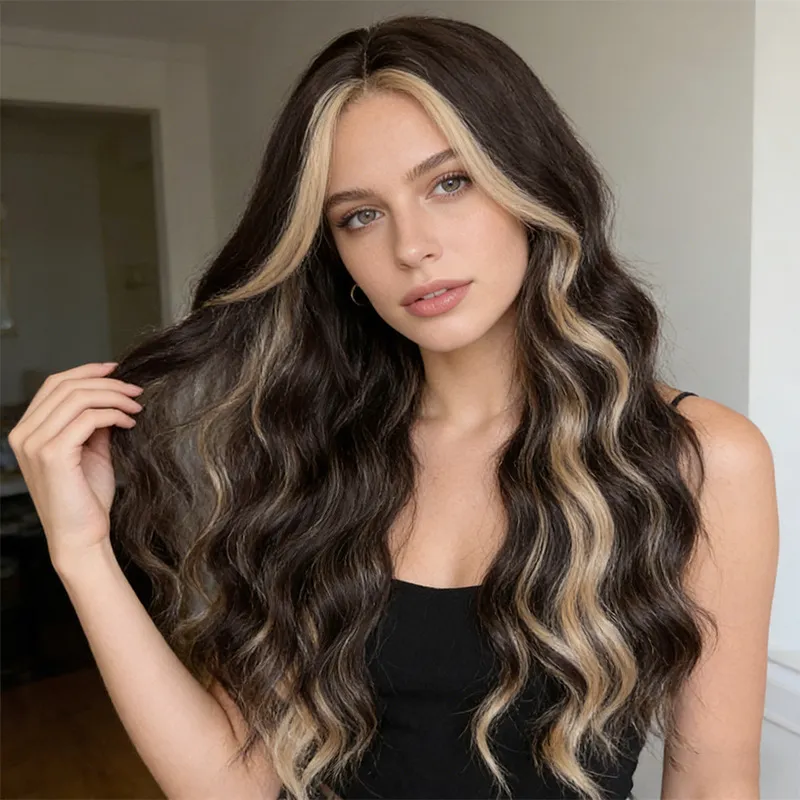
Hair products deserve equally careful planning. Bulk Wigs can provide attractive margins when the seller understands which lengths, textures, colors, and styles are in demand. But buying large quantities simply because the unit price is low is dangerous. A cheap product that does not sell is still expensive inventory.
The same principle applies to Bulk Human Hair for Braiding and Extension Hair Wholesale. Hair businesses should consider texture, length, color, material, packaging, and customer preferences before committing to large quantities. Inventory should reflect demand, not supplier availability alone.
The winning formula is straightforward: buy more of proven sellers, test uncertain products in smaller quantities, and stop wasting money on products that consistently fail to move.
2. Build a Flexible Inventory Instead of a Bloated One
A profitable beauty inventory needs variety, but variety must be controlled. Businesses should divide products into different inventory levels based on sales performance.
High-demand products deserve deeper inventory because running out can mean losing repeat customers. Medium-demand products can be maintained at moderate levels, while experimental products should generally be purchased in smaller quantities.
This approach is particularly important for beauty accessories and tools. For example, Wholesale Haircare Tools can include brushes, combs, styling accessories, hair dryers, curling tools, and other equipment. Instead of purchasing every possible variation, retailers should identify the tools that match their customers' actual needs.
Packaging products can also become valuable additions to a beauty inventory. Retailers selling their own formulations or private-label products may need Wholesale Cosmetic Jars Suppliers that can provide suitable packaging in consistent quantities. Packaging is not simply a container; it influences product presentation, brand positioning, shipping costs, and customer perception.
Similarly, Bulk Makeup Bags can support cross-selling opportunities. A customer buying multiple makeup products may also be interested in a cosmetic bag. Bundling products can increase average order value without forcing the customer to search elsewhere.
The same strategy can be applied across the entire beauty supply chain. A supplier that integrates Makeup, Skincare, Perfume, Nail Products, Wigs, Hair Extensions, Beauty Tools, and Personal Care Products allows businesses to consolidate purchasing instead of dealing with multiple suppliers.
That matters more than many retailers realize.
Every additional supplier can mean another invoice, another shipping arrangement, another quality-control process, another minimum order quantity, and another communication channel. A reliable one-stop supplier can reduce procurement time and simplify inventory management.
But flexibility does not mean accepting everything a supplier offers. A supplier's product catalog should be treated as a resource, not a shopping list.
Smart buyers ask hard questions:
What sells consistently?
What is seasonal?
What is trending but unproven?
What is the minimum order quantity?
How quickly can products be replenished?
Can packaging be customized?
Are private-label services available?
What product information and quality documentation are provided?
Can the supplier support international shipping?
These questions separate professional purchasing from impulsive buying.
3. Use Trends, Pricing, and Data to Protect Your Margins
Beauty trends move quickly. A product that dominates social media today may become irrelevant several months later. This creates an opportunity, but it also creates risk.
A profitable inventory strategy must balance trend-driven products with evergreen products.
Trending makeup shades, nail designs, fragrance styles, wig colors, hair textures, and beauty accessories can generate rapid sales when introduced at the right moment. However, businesses should avoid putting too much capital into products based solely on social-media hype.
The better strategy is to test.
Order a manageable quantity. Promote it. Monitor customer reactions. Measure conversion rates. Track repeat purchases. Then increase the order if the product proves itself.
Wholesale pricing also needs to be evaluated beyond the unit cost. A product that costs less to purchase is not automatically more profitable. Shipping fees, customs costs, packaging, storage, platform commissions, advertising expenses, returns, and damaged inventory can significantly reduce the final margin.
For international buyers, logistics are especially important. A supplier may offer an attractive factory price, but if transportation is slow or expensive, the apparent savings can disappear.
This is why international wholesale businesses should evaluate suppliers based on the complete supply chain rather than product price alone.
Competitive wholesale pricing can come from bulk purchasing, direct manufacturing relationships, supply-chain integration, or long-term cooperation. Businesses with stable demand may also negotiate better terms by consolidating orders.
However, aggressive purchasing should never destroy cash flow.
If a business spends most of its available capital on inventory, it may have little money left for marketing, payroll, shipping, website development, or unexpected expenses. Inventory must support cash flow, not suffocate it.
Businesses should therefore establish inventory budgets and reorder points. A simple inventory review every week or month can reveal which products are growing, which are slowing down, and which should no longer be reordered.
Profitability is ultimately a numbers game.
If a product has excellent sales volume but almost no margin, it may not be worth prioritizing. If another product sells more slowly but generates strong margins and repeat purchases, it may deserve more attention.
The objective is not to maximize the number of products sold. It is to maximize profitable sales.
4. Choose a Supplier That Can Grow With Your Business
Even the best inventory strategy can collapse if the supplier is unreliable.
A beauty business needs suppliers that can provide consistent quality, reasonable lead times, flexible purchasing options, and dependable communication. Supplier reliability becomes even more important when the business starts scaling.
A good wholesale supplier should be able to support small test orders as well as larger purchases. This flexibility allows new businesses to test products without taking unnecessary inventory risks while giving established retailers the ability to scale successful products.
Quality control is another non-negotiable issue.
Beauty and personal-care products can involve ingredients, materials, packaging, labeling, and manufacturing standards that require careful attention. Retailers should request appropriate product information and quality documentation and make sure products comply with the regulations applicable to their target markets.
This is particularly important when importing cosmetics, skincare, fragrance, hair products, or personal-care items internationally.
A supplier that offers OEM or ODM services can provide another level of opportunity. Private labeling, customized packaging, product specifications, and brand development can help retailers move beyond simple resale and create a recognizable beauty brand.
But customization should come after demand has been validated. Launching a private-label product with expensive packaging and a large minimum order before testing the market is an unnecessary gamble.
The strongest suppliers also understand that different customers need different purchasing models. A beauty salon may prioritize professional tools and hair products. A cosmetics store may focus on makeup and skincare. An online retailer may need lightweight products with attractive packaging and strong social-media appeal. A wig store may require deeper inventory in specific hair textures and lengths.
There is no universal inventory formula.
There is only the formula that fits your customers, sales channels, budget, and market.
Businesses selling through beauty salons, hair salons, nail studios, cosmetics stores, boutiques, online marketplaces, independent websites, and social-commerce platforms can all use wholesale beauty products, but their inventory priorities will be different.
The most profitable businesses understand this distinction.
They do not chase every trend.
They do not buy enormous quantities just because the supplier offers a discount.
They do not confuse a large catalog with a strong business.
Instead, they build a focused product portfolio, test demand, monitor margins, replenish winners quickly, and remove weak products before they consume valuable capital.
A profitable beauty product inventory is therefore built on discipline.
Start with products that have clear market demand. Use wholesale purchasing to improve margins, but never sacrifice cash flow for a lower unit price. Keep your product range broad enough to create cross-selling opportunities, but narrow enough to remain manageable. Follow beauty trends, but validate them before making major commitments. Most importantly, work with suppliers that can provide consistent quality, flexible order quantities, customization options, and international supply support.
The beauty industry will continue to change rapidly. New makeup trends will appear, fragrance preferences will shift, hair styles will evolve, and customers will constantly discover new products through social media.
That is exactly why your inventory cannot be static.
A profitable inventory is a living system. Products enter, products sell, products are tested, products are replaced, and successful products receive more investment.
If you treat inventory as a warehouse full of merchandise, you will probably end up with dead stock.
If you treat inventory as a carefully managed investment, every product has a job: attract customers, increase order value, generate repeat purchases, strengthen your brand, or create profit.
That is the difference between simply selling beauty products and building a profitable beauty business.


评论
发表评论