Wholesale Children’s Wear Buying Guide for Retailers and Importers
The children’s apparel market is not a category where demand disappears overnight. Kids grow, seasons change, school calendars restart, holidays arrive, and parents keep buying. For retailers, importers, e-commerce sellers, and emerging children’s brands, this creates a market with steady purchasing cycles and strong repeat-buying potential. But stable demand does not automatically mean easy profits. The real advantage comes from choosing the right products, controlling quality, managing order quantities, and building a supply chain that can respond quickly to changing customer expectations.
Today’s buyers are far more demanding than simply looking for low-cost clothing. Parents care about comfort, fabric quality, safety, durability, appearance, and practicality. Retailers care about margins, inventory turnover, minimum order quantities, packaging, lead times, and product differentiation. Importers need suppliers that can maintain consistent quality while handling international production and logistics.
That is why Wholesale Childrens Wear should be viewed as a complete sourcing strategy rather than a simple bulk-purchasing model. A strong supplier should offer a broad product range, flexible production, reliable quality control, customization capabilities, and efficient fulfillment. The businesses that understand these factors can build a children's product line that is profitable, scalable, and competitive instead of becoming trapped in low-margin commodity products.
Build a Product Range That Matches Real Buying Behavior
The first mistake many retailers make is buying too many random styles. A children's store does not need hundreds of unrelated products. It needs a balanced assortment that covers different ages, seasons, occasions, price points, and customer preferences.
Baby clothing is one of the most important categories because babies require frequent wardrobe updates. Essential products include Baby Bodysuits, Baby Rompers, Baby Sleepwear, Baby Sets, and Baby Blankets. These products should prioritize softness, breathability, easy dressing, and durability. Suppliers specializing in Wholesale Kids Rompers, for example, should pay close attention to fabric hand feel, seams, snaps, stretch, and washing performance. A cute product that becomes uncomfortable or loses its shape after several washes will quickly damage customer trust.
For boys, retailers can build a practical assortment around Boys T-Shirts, Boys Shirts, Boys Jackets, Boys Jeans, and Boys Sportswear. These products should balance style with freedom of movement. Parents want clothing that looks good, but children need clothing that can survive school, playgrounds, travel, and everyday activity.
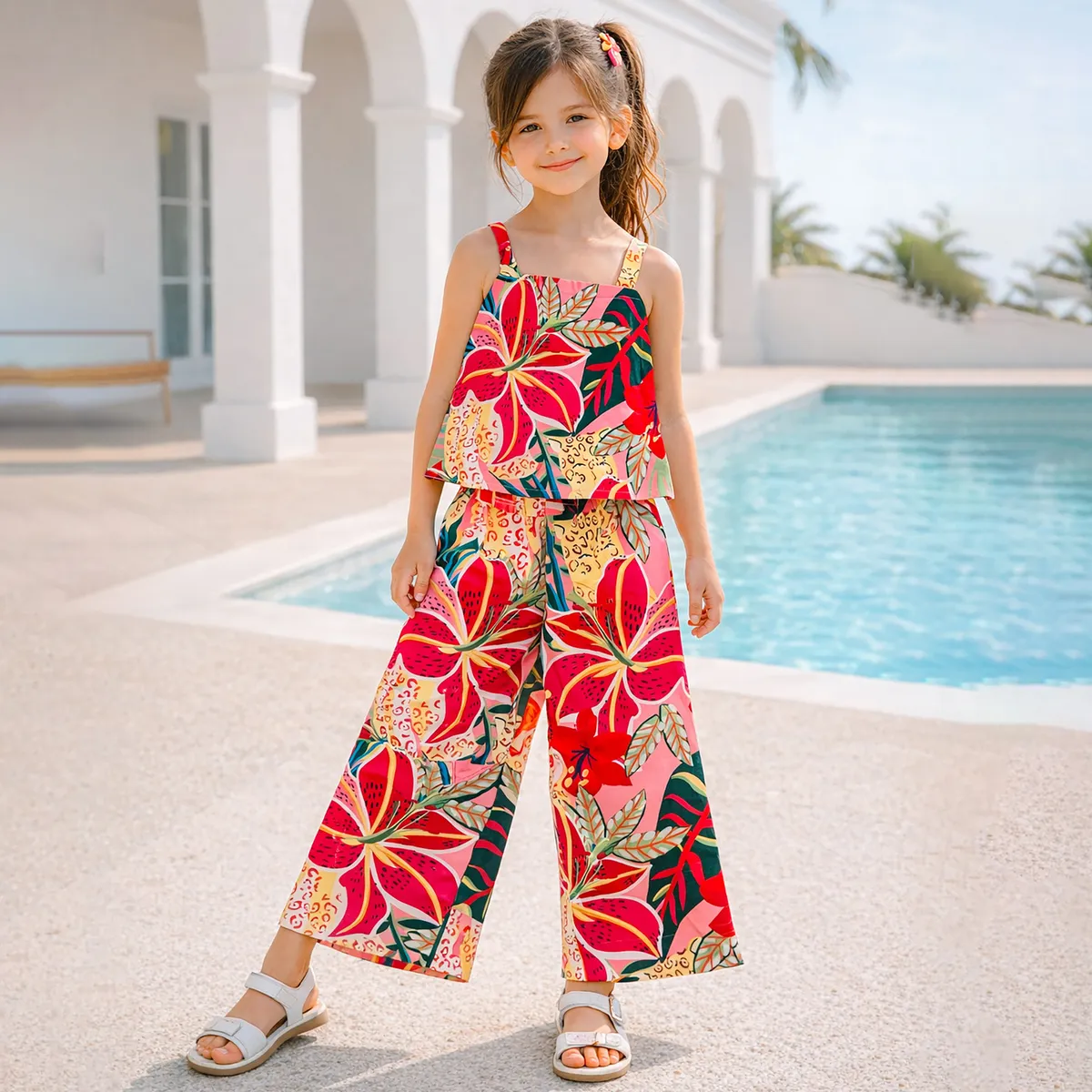
Girls’ clothing offers even more opportunities for visual merchandising. Girls Dresses, Girls Skirts, Girls Tops, Girls Leggings, and Girls Fashion Sets can create stronger seasonal and occasion-based sales. Bulk Girls Dresses are particularly useful for retailers preparing for weddings, birthdays, holidays, parties, family photography, and special events. The key is not simply buying large quantities. Retailers should select several commercially proven styles and control the depth of each SKU according to expected demand.
Seasonal clothing should also be treated as a core part of the assortment. Winter Coats, Rain Jackets, Summer Wear, and Holiday Outfits can generate substantial seasonal revenue. However, seasonal buying requires discipline. Overstocking a winter collection after the season ends can tie up capital for months. Smart importers therefore use historical sales data, market trends, and preorder information to determine quantities rather than relying entirely on instinct.
The product range can then be expanded beyond clothing. Kids’ shoes, hats, socks, backpacks, and accessories create valuable cross-selling opportunities. Sneakers, sandals, boots, school shoes, and casual shoes should emphasize comfort, lightweight construction, grip, and foot protection.
Accessories are equally useful for increasing basket size. Kids Hats, Sun Hats, Winter Hats, Hair Accessories, Socks, and backpacks are relatively easy products to combine with clothing purchases. Bulk Kids Bags can be especially attractive for retailers because backpacks and small bags naturally complement schoolwear, casualwear, and travel collections. Wholesale Bookbags can also provide a practical category for school-focused retailers and back-to-school campaigns.
The lesson is simple: do not build a children's product catalog by adding products randomly. Build a commercial system in which clothing, footwear, accessories, and seasonal products support each other.
Quality, Safety, and Design Must Drive Supplier Selection
Price matters in wholesale purchasing, but an obsession with the lowest possible price can become extremely expensive later. Poor stitching, weak fabric, inaccurate sizing, unsafe components, color bleeding, or inconsistent production can lead to returns, negative reviews, and lost customers. A cheap purchase price means very little when the merchandise cannot be sold confidently.
Children’s products require particular attention to safety and quality. Retailers should evaluate materials such as Organic Cotton, Cotton, Bamboo Fiber, and Soft Jersey according to the intended product and market requirements. Fabrics should feel comfortable against sensitive skin, provide appropriate breathability, and withstand repeated washing. Product construction should avoid unnecessary irritation and should be designed with children's movement and daily use in mind.
Importers should also ask suppliers about applicable testing, labeling, documentation, and market-specific compliance requirements before placing substantial orders. Requirements can vary depending on the destination market and product category. A professional supplier should be able to communicate clearly about its quality-control procedures rather than simply promising that every product is “high quality.”
Design is another decisive factor. Children’s fashion has moved far beyond basic cartoon T-shirts. Current commercial directions include Mini Me matching outfits, Cartoon Style, kids’ Streetwear, Minimalist Kids Fashion, Vintage Style, and Sustainable Kids Wear.
This creates opportunities for retailers willing to move beyond generic products. A strong collection can combine simple everyday essentials with distinctive statement pieces. For example, a basic T-shirt may generate steady volume, while a well-designed matching family set or holiday outfit can produce a higher margin.
The same principle applies to complementary products. Wholesale Kids Decor can help retailers expand into themed children’s lifestyle merchandise, particularly when products are designed around bedrooms, playrooms, birthdays, or seasonal collections. Wholesale Toys for Kids can also complement apparel-focused businesses when the product range and applicable safety requirements are carefully managed. The objective is not to become a supermarket of unrelated children's goods. It is to create a coherent shopping experience around the needs of families.
Retailers should also evaluate whether a supplier can consistently develop new styles. Children's fashion changes quickly because parents respond to social media, seasonal trends, celebrity-inspired looks, school culture, and changing aesthetics. A supplier that only offers an old catalog may struggle to support long-term growth.
Use OEM/ODM to Create Products Competitors Cannot Easily Copy
For retailers competing primarily on price, the market becomes brutal. There is always another seller willing to offer a similar product for slightly less. OEM and ODM production provide a way out of that trap.
A capable OEM/ODM supplier can help a children's brand develop products around its own identity. Customization may include logo placement, labels, packaging, garment colors, fabric selection, prints, patterns, trims, and complete style development. This is especially valuable for new children’s brands, Amazon sellers, Shopify businesses, boutique retailers, and mother-and-baby stores that want to establish a recognizable product identity.
Customization should not be limited to putting a logo on an existing garment. That approach creates very little differentiation. Real product development starts with the target customer. Is the brand focused on newborn essentials, premium children’s fashion, affordable everydaywear, sustainable products, schoolwear, holiday clothing, or fashionable streetwear? The answer should determine fabrics, silhouettes, colors, packaging, and price positioning.
Small-batch production is another major advantage. New brands rarely have enough sales data to justify enormous opening orders. Low MOQ, sample development, and flexible production allow businesses to test products before committing significant capital. This can reduce inventory risk and provide valuable market feedback.
Instead of ordering thousands of units of one untested design, a retailer can introduce several styles in controlled quantities, measure customer response, and reorder the winners. This is a far more intelligent approach than filling a warehouse with products simply because a supplier offered a discount for a large order.
Customization can also make products more visually memorable. Cartoon Prints, Animal Designs, Educational Patterns, embroidery, printing, Applique Patch details, and embossing can transform basic children's clothing into a recognizable collection. However, customization should serve the brand rather than overwhelm it. Too many colors, graphics, or decorative elements can make a collection look cheap instead of distinctive.
Packaging deserves attention as well. A thoughtful package can improve the unboxing experience, reinforce brand identity, and make products more suitable for gifting. For e-commerce brands, this can be particularly valuable because packaging becomes part of the customer’s first physical interaction with the brand.
The strongest supplier relationship should ultimately operate as a complete product-development pipeline:
Design Development → Fabric Sourcing → Production → Quality Control → Packaging → Global Shipping
When one supplier can coordinate more of this process, retailers can reduce communication costs, shorten sourcing cycles, and maintain greater consistency across collections.
Turn Wholesale Purchasing Into a Profit System
Buying more products does not automatically create more profit. The objective is to buy products that sell, reorder products that perform, and eliminate inventory that does not justify its shelf or warehouse space.
One effective strategy is to combine high-volume basics with higher-value products. Basic T-shirts and ordinary trousers may deliver predictable sales, but their margins can be limited. Designed fashion pieces, matching family outfits, holiday clothing, functional outerwear, and premium baby products can offer stronger differentiation and higher perceived value.
A retailer should therefore structure its assortment around several layers. Everyday basics generate repeat purchases. Seasonal products create urgency. Fashion-led items attract attention. Accessories increase basket value. Premium products improve margins. Together, these categories create a healthier business model than relying on one product type.
Bundle selling is another powerful strategy. A children's outfit can be combined with a matching hat, socks, bag, or accessory. Bulk Kids Outfit Sets are particularly suitable for retailers because coordinated sets simplify the customer's purchasing decision while giving the seller an opportunity to increase the average order value. For wholesale buyers, outfit sets can also make merchandising easier because multiple complementary products arrive as a ready-made commercial concept.
The next step is to build a complete children's product ecosystem. Clothing can connect with shoes. Shoes can connect with socks. Dresses can connect with hair accessories. Schoolwear can connect with bookbags. Seasonal outfits can connect with holiday-themed accessories. This creates more opportunities for customers to purchase multiple products in a single transaction.
Inventory planning must remain ruthless. Retailers should track sell-through rates, reorder frequency, seasonal demand, return rates, customer feedback, and gross margins by SKU. Products that consistently underperform should not remain in the catalog simply because they looked attractive in a supplier’s showroom.
Supplier performance should be measured just as aggressively. Key factors include product consistency, sample accuracy, production lead time, communication speed, defect rates, packaging quality, MOQ flexibility, and shipping performance. A supplier that is slightly more expensive but significantly more reliable can be much more profitable than a cheap supplier that creates delays and quality problems.
The best wholesale children's wear strategy is therefore not “buy cheap and buy big.” It is buy intelligently, test quickly, reorder confidently, and differentiate aggressively.
For retailers and importers, the opportunity in children's fashion remains strong because demand is driven by continuous growth, seasonal replacement, family occasions, school cycles, and changing trends. But the winners will not be those with the largest catalogs. They will be the businesses that understand what parents actually value and build a supply chain capable of delivering it consistently.
A competitive children's brand needs more than attractive clothes. It needs dependable fabrics, thoughtful designs, practical sizing, strict quality control, flexible production, strong packaging, and a supplier capable of supporting growth. When apparel, footwear, bags, accessories, and selected children's lifestyle products are organized into one coherent sourcing strategy, wholesale purchasing becomes more than an inventory transaction—it becomes a powerful engine for brand development and long-term profitability.
For serious retailers and importers, the message is clear: do not compete by becoming cheaper. Compete by becoming better, faster, more distinctive, and more reliable.


评论
发表评论